Fear and Loathing in the Philippines: Duterte’s Drug War as a Savage Journey into the Heart of Darkness
The war on drugs was never about drugs. It was about power—raw, unchecked, and wielded with the precision of a butcher’s cleaver. Duterte’s rise to the presidency in 2016 came with a promise: to rid the Philippines of narcotics, to cleanse the streets, to make the nation safe. What followed was a blood-soaked purge that turned the country into a graveyard of the poor.
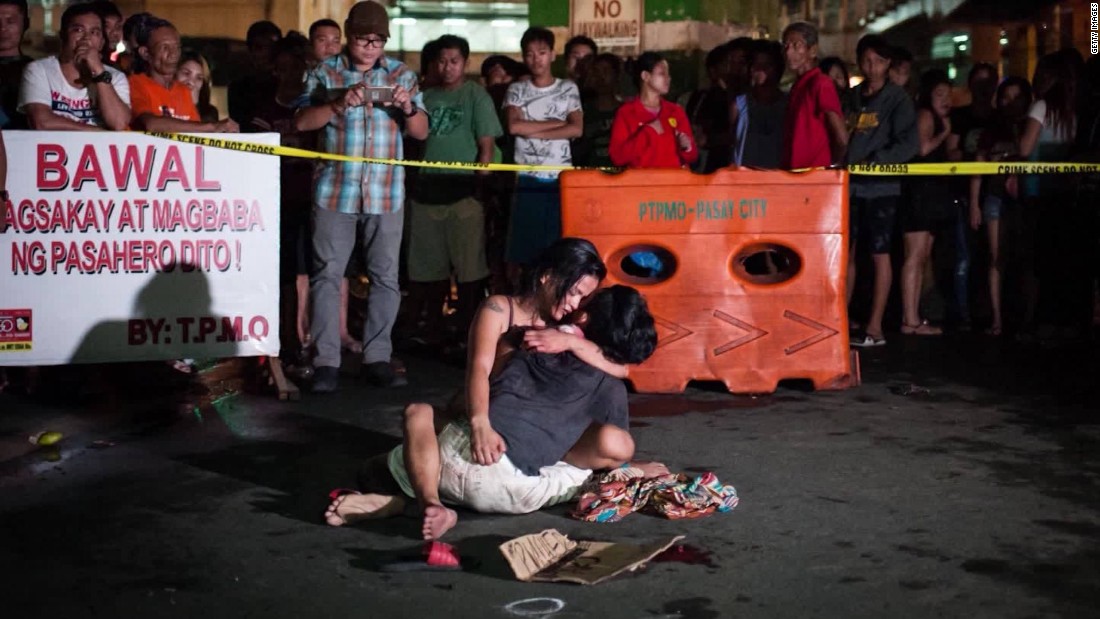
The numbers tell a grim story. Official government figures claim 6,229 people were killed in anti-drug operations from July 2016 to January 2022. Human rights groups, however, estimate the real number to be between 12,000 and 30,000. The victims? Mostly small-time users and dealers, gunned down in the night, their bodies left as warnings to the rest. The real drug lords—the ones with money, connections, and power—remained untouched, watching from their ivory towers as the streets ran red.
Duterte’s orders were clear: “Kill them all.” The police took it as gospel, and vigilantes followed suit. The infamous Oplan Tokhang—a campaign where officers knocked on doors and “invited” suspected drug users to surrender—quickly devolved into a death sentence. Those who refused to cooperate often ended up dead, their names erased from the record, their families left to mourn in silence.
The international community recoiled. The International Criminal Court (ICC) launched an investigation, citing crimes against humanity. Duterte laughed in their faces, withdrew the Philippines from the ICC, and dared the world to stop him. He cursed the Pope, mocked the United Nations, and doubled down on his crusade.
But power is fleeting. In March 2025, Duterte was arrested by the ICC, charged with orchestrating a campaign of mass killings. The man who once ruled with an iron fist now sits in a prison cell, his legacy reduced to a cautionary tale of what happens when fear is mistaken for respect.
The war on drugs left scars that will take generations to heal. The question remains: was it ever about drugs? Or was it just another chapter in the long, bloody history of strongmen who mistake terror for justice?


Comments
Post a Comment